Meet the Meteorologist
What's your favorite weather phenomena?
What got you interested in the weather?
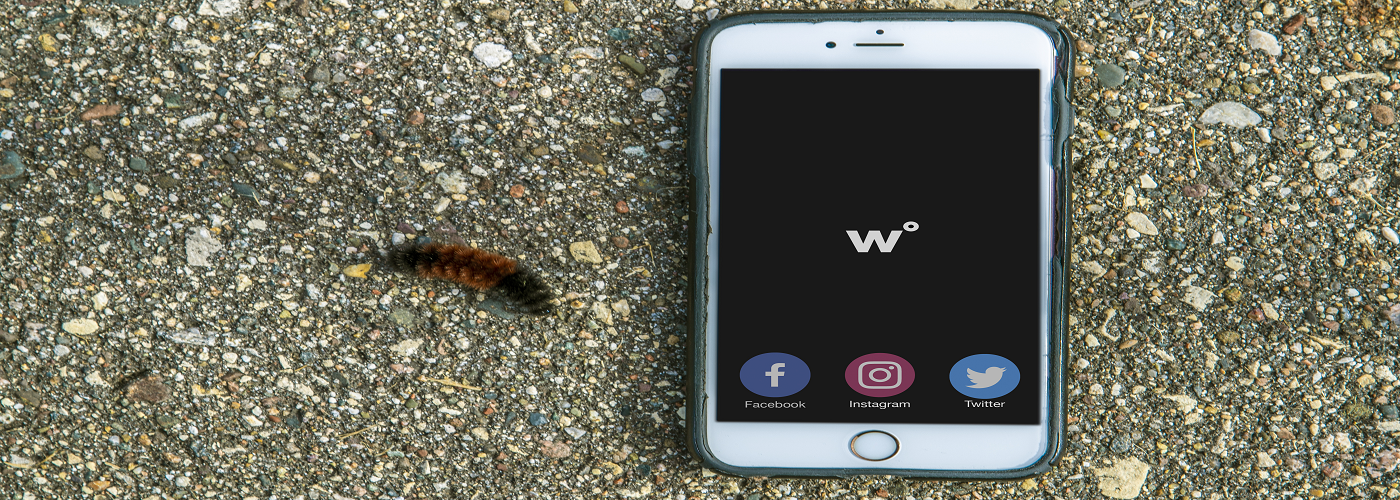

The woolly bear caterpillar (more commonly known as a woolly worm) and its "ability" to predict winter weather has been a part of American folklore for hundreds of years. It was popularized most recently in 1948 by entomologist Dr. Howard Curran, when he decided to put this theory to the test. The idea is that there is some sort of correlation between the coloring of the fur of a woolly worm (the amount of black verses orange) to the type of winter expected that year. After some tests, Dr. Curran noticed that when over half of his subjects had more orange than black coloring, the following winter ended up being milder than average. He told a local reporter at the Herald Tribune in New York and the rest became history.
Today, we use woolly worms as a fun part of forecasting, kind of like with Punxsutawney Phil to determine whether we'll have 6 more weeks of winter. Go out and snap some photos of woolly worms, upload them to the Weatherology app, and tell us if you predict this winter to be mild or snowy!
 Paul Trambley
 Derek Heit
 Laura Lockwood
 Ray Miller